Why Boutique Hotels in Maldives Are Redefining Luxury?
-

-
Yann Gouriou November 06, 2025
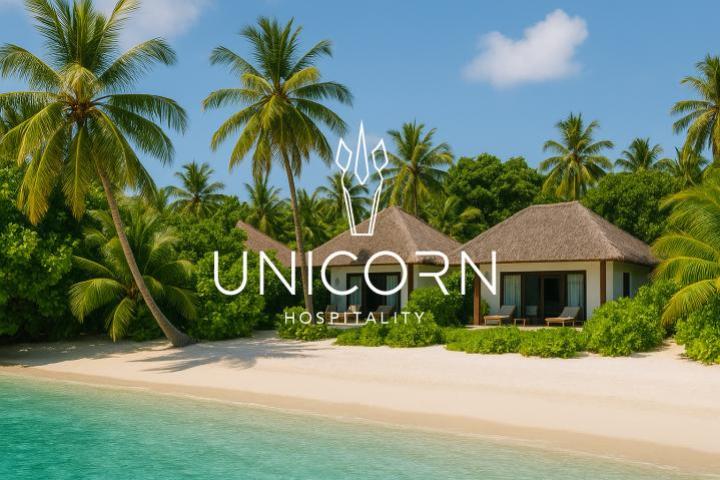
This new category is fueled by travelers who crave more than isolation and water villas. They want culture. They want community. They want meaningful immersion in everyday island life, balanced with comfort and premium service. Budget-conscious explorers, long-stay digital nomads, and experience-driven travelers are reshaping demand—and the Maldivian tourism economy is adapting to serve them.
This article examines the forces behind this evolution, the operational realities for boutique island property owners, and how specialized management—particularly modern white label hotel management in Maldives models—will determine who succeeds in this next chapter of the Maldivian hospitality industry.
The Maldives Tourism Evolution: A Shift from Isolation to Integration
The “new Maldives” is not a trend; it is a structured transformation aligned with the nation’s broader economic diversification vision. Boutique properties on local islands are expanding access and elevating destination value in ways private-island resorts cannot replicate.A. The New Traveler and the Quest for Authenticity
Modern travelers prioritize emotional connection over pure exclusivity. Boutique hotels on local islands invite guests to step into real island rhythms—walk local beaches at sunset, enjoy home-style cuisine, learn about traditional seafaring culture, and build relationships within close-knit communities.This shift toward deeper travel experiences aligns with global hospitality trends and is reshaping the guest funnel. As discussed in our Maldives Resort Marketing guide, the Maldives is now attracting more diverse markets, including wellness travelers, slow-travel enthusiasts, and remote workers seeking month-long stays. The boutique model answers this demand by offering luxury not only in setting, but in belonging.
Affordability and accessibility have widened the visitor base and allowed tourism revenue to reach island communities beyond resort zones. The result: longer guest stays, more sustainable spending distribution, and a more resilient travel economy.
B. The Asset Class: Design and Community Integration
Unlike branded resorts designed for insulated perfection, Boutique Hotels in Maldives emphasize individuality and cultural authenticity. Architecture often blends modern comforts with handcrafted finishes, natural textures, and design cues rooted in Maldivian identity.Guests feel part of the island—not separate from it. That emotional resonance is becoming its own luxury marker.
The business benefits run deep. Local staffing, local procurement, and partnerships with island service operators ensure revenue circulates within the community. For conscious travelers who value responsible tourism, this ethical foundation becomes a compelling reason to book.
Hotel Management Challenges for Local Island Guesthouses
Despite the promise, boutique island hospitality is operationally complex. Owners must deliver international-standard guest experience without the self-contained infrastructure of private resorts.A. Operational and Financial Hurdles
Local island hotels rely on municipal utilities, which creates dependencies in water, power, and waste management. Meeting guest expectations requires strategic planning, investment in supplemental systems, and compliance with environmental regulations—especially now that waste segregation and sustainable practices are mandatory.These realities mirror the national operational landscape described in our report on Maldives hotel management challenges and solutions. While resorts build independent infrastructure, boutique owners must implement scalable systems that deliver quality without overwhelming cost structures.
Financially, margins tighten quickly if distribution relies solely on OTAs. Without strong brand presence and direct-booking architecture, commission costs erode profitability. Revenue management sophistication—once optional in the guesthouse segment—is now essential.
B. HR and Regulatory Nuances
Workforce dynamics add complexity. Delivering boutique-level service requires skilled staff and cross-trained teams, yet hiring must balance expatriate talent with mandated local quotas. Successful operators adopt a strategic approach: develop Maldivian talent, supplement with specialist roles, and invest in training that blends cultural warmth with hospitality excellence.Operating on inhabited islands also means respecting cultural norms. Dress codes, alcohol restrictions, and community guidelines require proactive guest communication. Hotels must be cultural ambassadors and experience designers simultaneously—maintaining respect while shaping memorable stays.
Unicorn Hospitality: The Solution for White Label Hotel Management in Maldives
The rise of Boutique Hotels in Maldives demands a new class of operator—one who understands island culture and global expectations, and who can deliver scalable systems without diluting character.A. Strategic Revenue and Yield Management
Unicorn Hospitality’s technology-driven approach bridges the performance gap between boutique properties and established resorts. Tailored RMS tools, dynamic pricing engines, demand forecasting, and multi-channel distribution strategies allow small inventory assets to compete effectively and sustainably. Direct booking ecosystems protect margins and build long-term asset value.By extending the digital marketing frameworks outlined in our Maldives resort marketing guide, we ensure boutique properties maximize their presence in a competitive landscape while retaining their unique brand voice.
B. Bespoke Operations and Local Expertise
Island operations require precision, adaptability, and respect for context. Unicorn Hospitality supports owners in navigating infrastructure limitations, creating sustainable procurement systems, and implementing operational controls suited to island realities. We prioritize local workforce development while supplementing with expert talent where needed, building teams who deliver heartfelt service and global-standard delivery.The result is a hospitality model that feels personal, authentic, and elevated—true boutique luxury grounded in cultural connection.
Sustaining the Next Chapter of Maldives Tourism
The Maldives is entering a new era where boutique hospitality and community-connected experiences stand alongside world-famous private resorts. Boutique Hotels Maldives offer immersion, warmth, and cultural richness—and investors who move early with the right operational partner will define the future of this sector.Success requires more than vision. It requires world-class systems, cultural awareness, and disciplined operational execution. Through tailored white label hotel management Maldives services, Unicorn Hospitality ensures boutique properties achieve performance, brand strength, and long-term profitability while staying rooted in the essence of Maldivian island life.
If you are developing or owning a boutique island property and want to secure your position in this evolving landscape, contact us today for a free consultation. Our team is ready to support you with the expertise and innovation this segment demands.
FAQ White Label Hotel Management Maldives
Boutique Hotels Maldives are gaining demand because travelers want cultural immersion, community interaction, and locally rooted design instead of isolated resort stays. They offer authentic experiences while maintaining comfort and service.
Yes. With growing demand for experiential travel and long-stay guests, boutique hotels on local islands present strong revenue potential—especially when supported by professional management and modern revenue systems.
White label hotel management Maldives refers to specialized hospitality operations and brand-building services tailored for independent properties. Owners retain brand identity while benefiting from expert systems, revenue strategy, and staff training.
Boutique hotels offer cultural immersion, access to local communities, and unique design inspired by Maldivian island life. Resorts prioritize isolation, privacy, and fully self-contained luxury environments.
Local island properties face infrastructure constraints, hiring requirements, and strict cultural regulations. Effective management ensures smooth operations, profitability, and culturally aligned guest experiences.
-
-
Yann Gouriou November 06, 2025
CATEGORIES
RELATED ARTICLES
-

Hotel Management Company Thailand: Complete Guide for Owners (2026)
-
The Rise of Boutique Hotels in Malaysia: A Case for White Label Hotel Management
-

White Label Hotel Management: Empowering Independent Hotels for Sustainable Success
-

Invest in Cambodian Hospitality: Trends, Opportunities & Challenges
-

Tools & Benefits for Streamlined Sales & Distribution Management in Hotels