Hotel Consulting Services Thailand: What Investors Need to Know
-

-
Yann Gouriou May 08, 2026

The Cove Phi Phi (Managed by Unicorn Hospitality)
Hotel consulting services Thailand can help owners, developers, and investors make better decisions before committing capital to a hotel project, acquisition, renovation, or operational turnaround.
Thailand remains one of Asia’s most attractive hospitality markets, but it is no longer a simple “build it and tourists will come” environment. Travel demand is changing, operating costs are rising, investors are more cautious, and guests expect better experiences at every price point. For hotel owners, the real challenge is not only entering the market. It is entering with the right concept, cost structure, location strategy, operating model, and commercial plan.
That is where professional hotel consulting becomes valuable. A good consultant does not simply produce a report. The right partner helps translate market data, owner goals, brand positioning, design decisions, revenue assumptions, and operational realities into a hotel strategy that can actually perform.
Quick Answer : What Do Hotel Consulting Services in Thailand Include?
Hotel consulting services in Thailand usually include feasibility studies, market research, concept development, financial projections, technical advisory, pre-opening planning, operator selection, asset management, and performance improvement. For investors, these services help reduce development risk, validate assumptions, and improve the long-term value of the hotel asset.
In 2026, consulting is especially important because Thailand’s tourism strategy is shifting toward higher-value travel rather than pure arrival volume. The Tourism Authority of Thailand has highlighted a “Value over Volume” direction, with 2026 international arrivals projected at approximately 30-34 million and total tourism revenue projected around 2.58 trillion baht. For hotel investors, this means quality of demand, guest mix, pricing power, and asset positioning matter more than headline arrival numbers alone.
Why Hotel Consulting Matters More in Thailand in 2026
Thailand is still a strong hospitality destination, but the market has become more selective. A hotel that worked well ten years ago may not automatically work today. Investors need to understand where demand is coming from, what type of guest they are targeting, how the asset will compete, and whether projected returns are realistic.
According to TAT, Thailand recorded 9.31 million international arrivals in the first quarter of 2026. China, Malaysia, Russia, India, and South Korea remained major source markets, while long-haul markets continued to support higher-value travel. This creates opportunity, but also complexity. A hotel in Bangkok, Phuket, Samui, Chiang Mai, or Jomtien may each require a different strategy.
Hotel consulting services Thailand help investors answer practical questions before money is locked into land, design, construction, renovation, or operations.
These questions include:
- Is the location suitable for the intended hotel concept?
- What guest segments are most realistic for this asset?
- What average daily rate and occupancy can the hotel reasonably achieve?
- Should the property be independent, white-label managed, franchised, or leased?
- What facilities are truly needed, and which ones may become expensive underused space?
- How much working capital is required before the hotel stabilizes?
- What are the biggest risks in the project, and how can they be reduced?
The value of consulting is not in making a project look attractive on paper. It is in finding the truth early enough to make better decisions.

Hotel Sensai Nimman, Chiang Mai (Managed by Unicorn Hospitality)
What Hotel Consultants Actually Do
Hotel consultants support owners before, during, and after a hotel investment decision. Their work can be strategic, financial, technical, commercial, or operational depending on the stage of the project.
Market Research and Demand AnalysisBefore developing or buying a hotel, investors need to understand the market beyond basic tourism numbers. Market research looks at demand drivers, seasonality, source markets, competitor performance, location access, nearby attractions, corporate demand, airline connectivity, domestic travel, and future supply.
For example, a boutique hotel in Bangkok may depend on lifestyle travelers, digital nomads, food-led tourism, and public transport access. A resort in Samui may depend more on airlift, leisure length of stay, villa competition, and high-season pricing. A Jomtien property may need to consider domestic weekend demand, family travel, long-stay guests, and competition from Pattaya.
A strong consultant will not treat Thailand as one market. They will break the opportunity down by destination, segment, price point, and asset type.
Hotel Feasibility Study
A hotel feasibility study is one of the most important parts of hotel consulting services in Thailand. It helps determine whether a proposed hotel project is financially and operationally viable.
A feasibility study typically includes:
- Site and location review
- Competitive set analysis
- Demand assessment
- Recommended positioning
- Facility mix recommendations
- Room count and room type review
- Revenue projections
- Operating expense assumptions
- GOP and EBITDA estimates
- Investment return scenarios
- Risk assessment
This is where many investors discover whether their original idea needs adjustment. Sometimes the answer is not “do not invest.” It may be “reduce the room count,” “change the concept,” “avoid oversized F&B,” “reposition to upper-midscale,” or “phase the development to control risk.”
For a deeper understanding of this step, read Unicorn Hospitality’s guide to hotel feasibility study.
Concept and Brand Development
A hotel concept is not just a design mood board. It is the strategic idea that connects the guest, location, room product, F&B, service culture, pricing, and marketing story.
In Thailand, concept clarity is especially important because independent and boutique hotels often compete against both global brands and local lifestyle properties. A vague concept can lead to expensive design decisions that do not translate into stronger rates or better guest loyalty.
Consultants can help define:
- Target guest profile
- Brand positioning
- Service style
- Room and facility priorities
- F&B role
- Wellness or lifestyle angle
- Competitive differentiation
- Guest journey
This matters because a hotel should not only look attractive. It should be commercially understandable. Guests should know why it exists, who it is for, and why it is worth choosing.
Technical Services and Design Review
Technical advisory helps align the physical hotel with the business plan. This is where consultants review whether the design supports operational efficiency, guest experience, staffing, maintenance, and revenue generation.
A beautiful hotel can still underperform if the back-of-house flow is poor, the room mix is wrong, the kitchen is oversized, or the public areas are expensive to maintain. Technical services help investors avoid costly mistakes before construction or renovation begins.
Common technical advisory areas include:
- Room layout efficiency
- FF&E and OS&E planning
- Back-of-house flow
- Laundry and housekeeping logistics
- Kitchen and F&B planning
- Guest circulation
- Brand standard alignment
- Pre-opening technical checks
The goal is simple: make sure the hotel can operate profitably, not just photograph well.
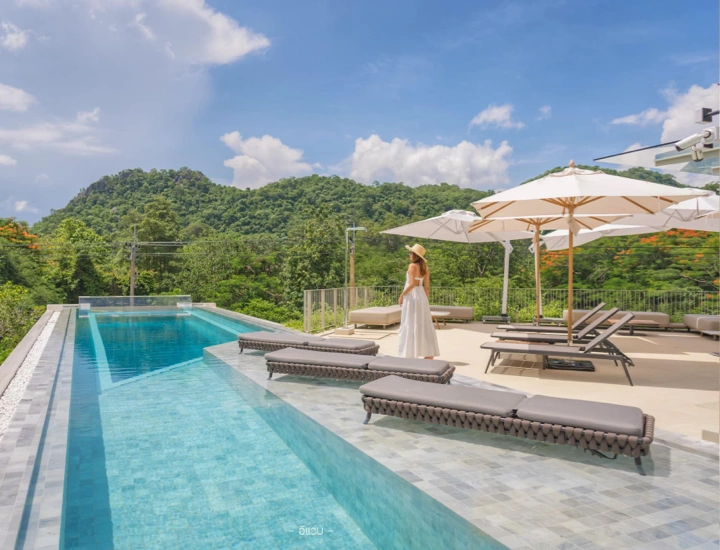
Hotel MYS Khao Yai (Managed by Unicorn Hospitality)
When Should Investors Hire a Hotel Consultant?
The best time to hire a consultant is before major decisions are already fixed. Hotel consulting creates the most value when it influences the investment strategy early.
Before Buying Land or an Existing Hotel
If an investor is considering land acquisition or hotel purchase, consulting can help test the commercial potential of the site or asset. This includes reviewing location strengths, access, demand generators, nearby competition, zoning considerations, renovation needs, and repositioning potential.
For existing hotels, the consultant may also review current performance, online reputation, staffing structure, revenue strategy, operating costs, and capex requirements.
Before Design and Construction
Once architecture is already far advanced, changes become more expensive. Consultants should ideally be involved before finalizing room count, facilities, F&B spaces, meeting rooms, wellness areas, and operational layouts.
Early advisory can prevent overbuilding, underbuilding, or building the wrong facilities for the target guest.
Before Signing with an Operator or Brand
Choosing between independent management, white-label management, franchise, lease, or owner-operation is a major strategic decision. A consultant can help compare the commercial impact of each model.
For owners comparing management options, see Unicorn Hospitality’s guide to hotel management company Thailand.
When a Hotel Is Underperforming
Consulting is not only for new projects. Existing hotels often need support with revenue management, cost control, brand repositioning, distribution strategy, service standards, staffing, or owner-operator alignment.
In this case, the consultant’s role is to identify what is holding the asset back and build a realistic improvement plan.

Floral Court Hotel & Residence, Sukhumvit Soi 13 (Managed by Unicorn Hospitality)
Hotel Consulting vs Hotel Management: What Is the Difference?
Hotel consulting is advisory. Hotel management is execution.
A consultant helps an owner study the market, plan the asset, evaluate feasibility, improve strategy, or prepare for development. A hotel management company takes responsibility for operating the hotel day to day, including staffing, sales, marketing, revenue management, guest experience, finance, and performance.
| Area | Hotel Consulting | Hotel Management |
|---|---|---|
| Main role | Advises the owner | Operates the hotel |
| Best used for | Planning, feasibility, strategy, improvement | Daily operations, staffing, sales, service, financial performance |
| Timing | Before investment, development, renovation, or repositioning | Before opening or during ongoing operations |
| Output | Recommendations, plans, projections, risk reviews | Execution, reporting, owner updates, performance delivery |
In many cases, owners need both. Consulting may come first to shape the project. Management may follow when the asset is ready to operate or reposition.
The important point is alignment. Strategy and operations should not be separated. A beautiful feasibility study is useless if the hotel cannot be executed in real life.
What Makes a Good Hotel Consultant in Thailand?
Not all consultants bring the same value. Some are strong in financial modeling but weak in operations. Others understand design but not revenue strategy. The best hotel consulting partner should combine market knowledge, operational experience, commercial thinking, and owner-side discipline.
Local Market Knowledge
Thailand’s hotel market is highly local. Bangkok is not Phuket. Phuket is not Samui. Samui is not Hua Hin. Hua Hin is not Jomtien. A consultant should understand local demand patterns, labor realities, seasonality, guest expectations, and destination-specific risks.
This is especially important when investors rely on assumptions from other markets. A concept that works in Singapore, Dubai, or Europe may need adaptation before it works in Thailand.
Operational Experience
Hotel consulting should not be disconnected from daily hotel operations. Recommendations must be practical for the people who will run the property.
Operational experience helps consultants understand staffing levels, service delivery, procurement, guest complaints, maintenance, housekeeping flow, distribution challenges, and the pressure points that affect profitability.
Financial Discipline
Investors need clear numbers. A good consultant should challenge unrealistic assumptions and explain the financial logic behind every recommendation.
This includes ADR, occupancy, RevPAR, payroll, utilities, F&B margins, departmental expenses, management fees, pre-opening costs, working capital, and capex planning.
Clear Owner Communication
A consultant should make decisions easier, not more confusing. The best advisors can translate complex market and operational information into clear recommendations for owners, boards, family offices, and development teams.
Common Mistakes Investors Make Without Consulting
Hotel investment mistakes are often made early, but the cost appears later. Consulting helps reduce these risks before they become expensive.
Mistake 1: Overestimating Demand
Many investors assume that Thailand’s tourism strength guarantees hotel success. It does not. Demand must match the exact location, concept, price point, and distribution strategy.
Mistake 2: Building Too Many Facilities
Large restaurants, oversized meeting rooms, pools, spas, or rooftop spaces can look attractive in a plan but may become costly if they do not generate enough revenue.
Mistake 3: Copying Competitors
A hotel should not be a replica of what already exists nearby. Consultants help identify gaps in the market instead of simply repeating the current supply.
Mistake 4: Ignoring Pre-Opening Costs
Pre-opening is often underestimated. Recruitment, training, system setup, sales activity, marketing, photography, operating supplies, trial runs, and working capital all need planning.
Mistake 5: Choosing the Wrong Operating Model
Some owners need a professional operator. Others may benefit from white-label management. Some may consider franchise support. Each model has different costs, control levels, brand implications, and performance expectations.
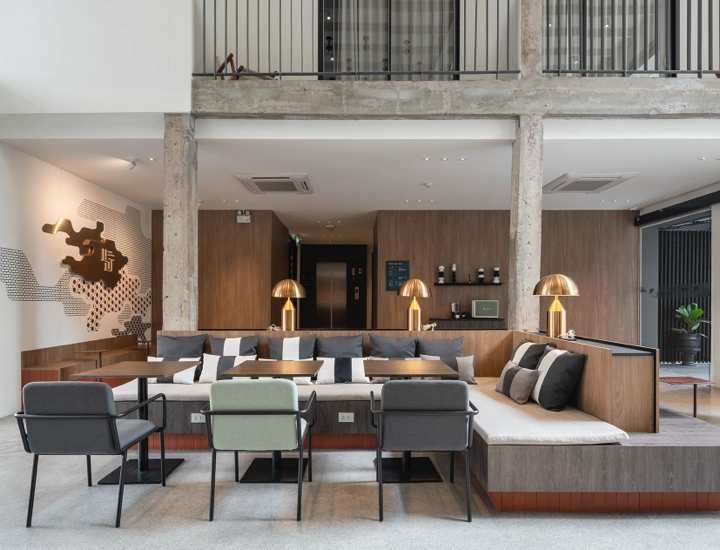
Lilit Banglumphu Hotel (Managed by Unicorn Hospitality)
How Unicorn Hospitality Supports Hotel Owners and Investors
Unicorn Hospitality works with hotel owners, developers, and investors who need practical support across hotel development, consulting, and management. The value lies in connecting strategy with real hotel operations.
For investors considering hotel consulting services Thailand, Unicorn Hospitality can support key stages such as market research, feasibility review, concept planning, technical services, pre-opening preparation, asset review, and hotel management strategy.
The best consulting process should not force a generic solution onto every property. It should help owners understand what their asset can become, what risks need to be managed, and what operating structure will protect long-term value.
Final Thoughts
Hotel consulting services Thailand are becoming increasingly important for serious investors who want to reduce risk, protect capital, and make better decisions in a more competitive hospitality market.
Thailand’s tourism outlook remains attractive, but the winners will be owners who understand their market, define a clear concept, control costs, choose the right operating model, and build hotels around real demand rather than assumptions.
For hotel owners, developers, and family-office investors, the right consulting partner can turn a broad idea into a commercially grounded hospitality strategy.
If you are planning a hotel investment, acquisition, renovation, or repositioning in Thailand, request a consultation with Unicorn Hospitality to assess your asset, market opportunity, and next strategic steps.
FAQs
Hotel consulting services in Thailand include feasibility studies, market research, concept development, financial projections, technical advisory, pre-opening planning, asset reviews, and operational improvement strategies for hotel owners and investors.
Yes, it is advisable to consult a hotel advisor before buying land for a hotel project. A consultant can assess demand, location suitability, access, competition, development risk, and the likely commercial potential of the site.
A hotel feasibility study usually includes market research, competitive analysis, demand assessment, recommended positioning, revenue projections, operating cost assumptions, financial returns, and key investment risks.
No. Hotel consulting is also useful for existing hotels that need repositioning, revenue improvement, cost control, renovation planning, asset management, or operator selection.
Hotel consulting provides advice and strategic planning. Hotel management involves running the hotel day to day. Consulting often comes before management, especially during investment planning, development, renovation, or repositioning.
-
-
Yann Gouriou May 08, 2026
CATEGORIES
RELATED ARTICLES
-

From Concept to Reality: Unicorn Hospitality’s Approach to Hotel Development in Bali
-
Hotel Master Planning: A Guide to Identifying and Mitigating Key Development Risks
-
A Guide to Conducting a Comprehensive Hotel Feasibility Study
-

Unicorn Hospitality's Guide to a Hotel Launch in Malaysia
-

The Ultimate Guide to Marketing Maldives Resorts